
How to Spike a Volleyball Like a Pro: Simple Tips & Drills for Beginners
If you’ve ever watched a volleyball match, you know that the spike is one of the most exciting moves in the game. It’s the powerful hit that sends the ball crashing into the opponent’s court, often winning the point instantly. Learning how to spike a volleyball takes time, practice, and the right technique — but once you get it, it completely transforms your game.
Understand the Basics of a Volleyball Spike
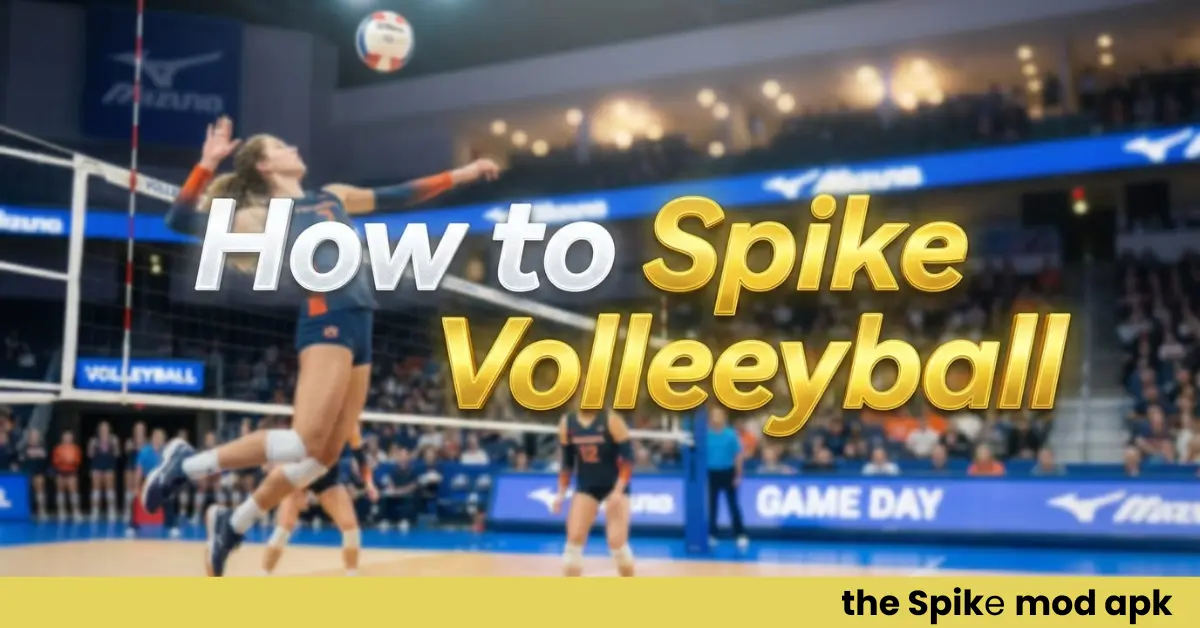
A perfect spike is not just about power — it’s about rhythm and coordination. Before jumping, start with the right approach steps. Most players use a three-step or four-step approach to build momentum.
As you jump, pull both arms back and prepare for your volleyball arm swing technique. When you reach your highest point, swing your hitting arm forward, open your hand, and snap your wrist to send the ball downward. That wrist snap adds both speed and control.
Focus on Jump Timing and Accuracy
Jump timing can make or break your spike. Jump too early and you’ll hit the bottom of the ball; too late and you’ll lose your power. Try to jump just as the ball peaks above you — not before, not after.
For accuracy, don’t always aim for brute strength. Practice hitting to specific zones of the opponent’s court. A smartly placed spike is often better than a hard one.
Best Volleyball Spiking Drills
To get better, you need consistent volleyball spiking drills. These build your strength, timing, and technique:
Wall Drills: Stand a few feet from a wall and repeatedly spike the ball against it. It’s great for improving your arm swing and ball control.
Solo Trainer or Rebounder: These tools bounce the ball back to you so you can practice your spikes without a partner.
Jump Training: Include squats, lunges, and box jumps in your workouts to improve your vertical leap.
Regular practice, even for 10–15 minutes daily, can dramatically improve your volleyball spike technique and overall performance.
Common Spiking Mistakes to Avoid
Even experienced players make errors that limit their potential. Avoid these:
Impact of a Well-Executed Spike:
A well- Executed Spike is a golden chance which can change the momentum of a tough game by scoring great points and putting pressure on opponents. It can make a difference in losing and winning,
because a spiker’s team usually wins when the opposing team feels defeated by a series of successful spikes.
How to Improve Volleyball Spiker Performance
Becoming a great volleyball spiker takes far more than just knowing how to hit the ball hard. True excellence comes from combining precision, strategy, and discipline. With the right mindset and techniques, you can consistently outperform defenders and dominate at the net. Below are proven methods to improve your volleyball spiking performance and take your attacking game to the next level.
Be Consistent and Intentional
Consistency builds confidence. Every time you practice your spike, focus on repetition with purpose — not just hitting the ball, but understanding your timing, arm swing, and approach steps. Sets will always vary, but a skilled spiker can adapt to any set with control. The more balls you hit, the stronger your rhythm and coordination become.
Outsmart the Blockers
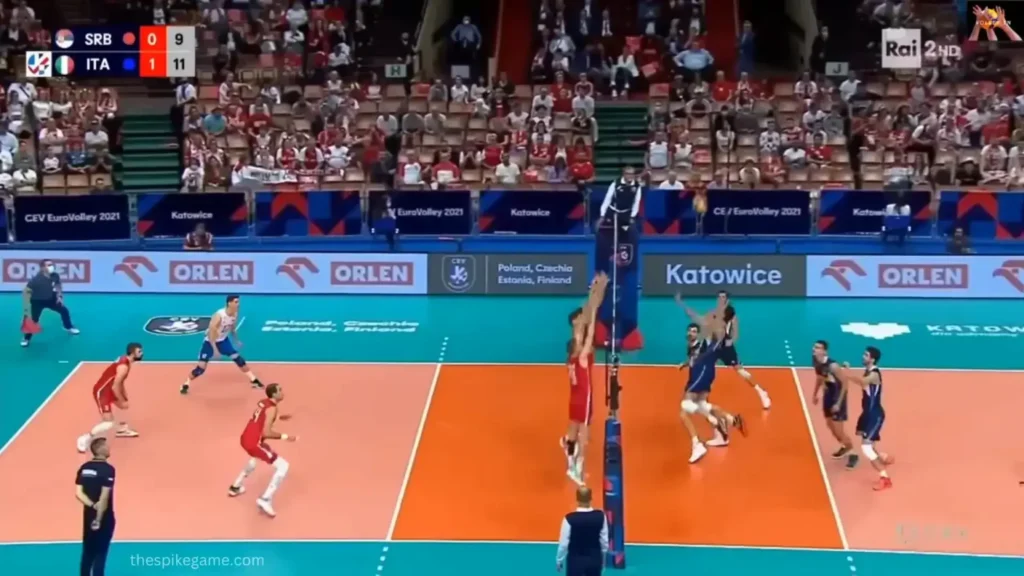
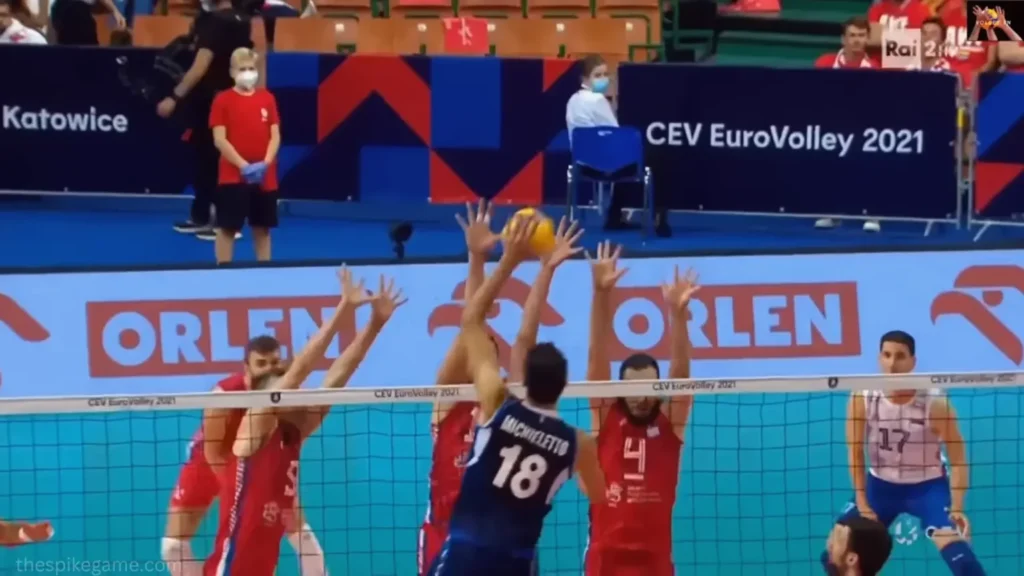
Your goal as an attacker isn’t only to hit harder — it’s to hit smarter. Study the blockers on the other team carefully. Watch their footwork, hand placement, and reaction time. Use your observations to find weak spots in their defense and exploit them. A successful spiker knows how to read the blockers before making the move.
Be Unpredictable and Adaptable
Power alone won’t make you unstoppable — unpredictability will. Mix up your striking techniques and vary your shot placement across the court. Sometimes a cross-court spike works; other times, a quick line shot or a soft tip can throw blockers off balance. When you stay unpredictable, defenders struggle to anticipate your next move.
Train Using the Box Drill
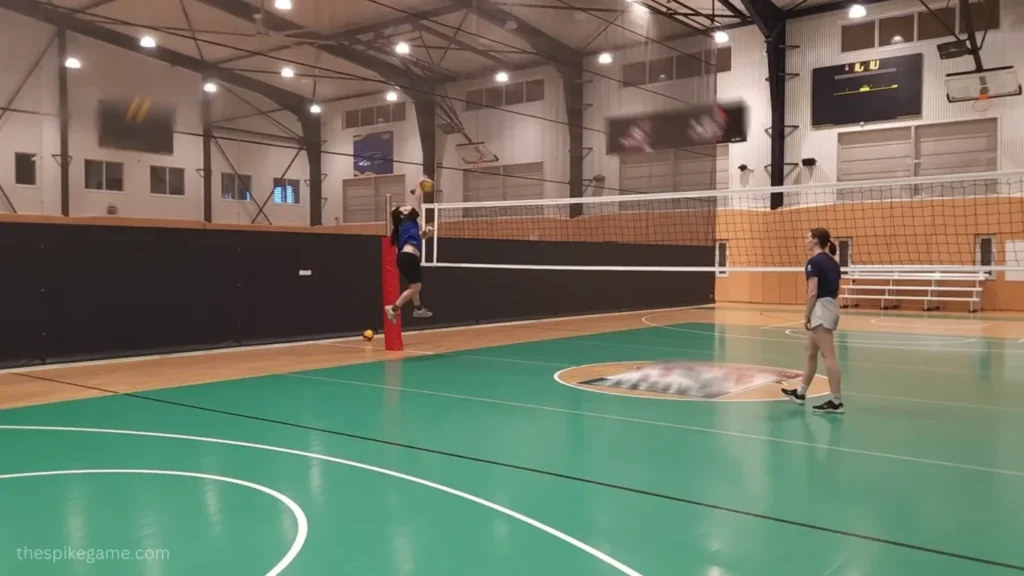
A powerful way to refine your spike technique is the box drill. Stand on a stable box that raises you to your maximum jump height. From there, focus solely on your arm swing, wrist snap, and upper-body power without worrying about your lower-body takeoff. This isolates your hitting mechanics, allowing you to perfect the feeling of generating power through your core and shoulders. Once mastered, integrate this movement into your regular jumping spikes.
Practice Behind the 3-Metre Line
Many players only train close to the net, which limits real-game adaptability. Move back to the 3-metre line during your power spike practice sessions. This simulates in-game conditions where sets might not always be perfect. Training from different distances helps you adjust your timing and develop versatility as a spiker.
Expand Your Hitting Strategy
To stay ahead of opponents, expand your hitting strategy. Don’t just attack one area of the court — use every angle available. Mix fast spikes, deep hits, and controlled placements. A diverse attack pattern makes it nearly impossible for blockers to predict your next move, giving your team a competitive edge every time you’re at the net
How Can I Practice Spiking by myself:
Volleyball is actually based on teamplay, but no worry, if you want to play by yourself, because solo practice plays a significant role in skill development. Focus on your game and improve yourself to become a successful player.
here are some premium tips to practice spike a volleyball by yourself:
Ball Machine:
It is a machine, which can throw the volleyball in different ways and directions, that will help you to practice alone and achieve your spike approach and hitting.
Rebounder:
A rebounder gives you an opportunity to hit the ball with your palm without running after the ball. It is very helpful for you to aim for your approach and success.
Solo Trainer or Self-Practice Setter:
this device lets you fix the ball for yourself, and allows you to grow with your hitting technique without needing help from anyone else.
Final Thoughts
Mastering the volleyball spike isn’t about perfection — it’s about progress. Focus on timing, arm swing technique, and consistent drills, and you’ll soon see improvement in your power and accuracy. Every professional spiker started where you are now — with practice, persistence, and passion, you’ll get there too.

